
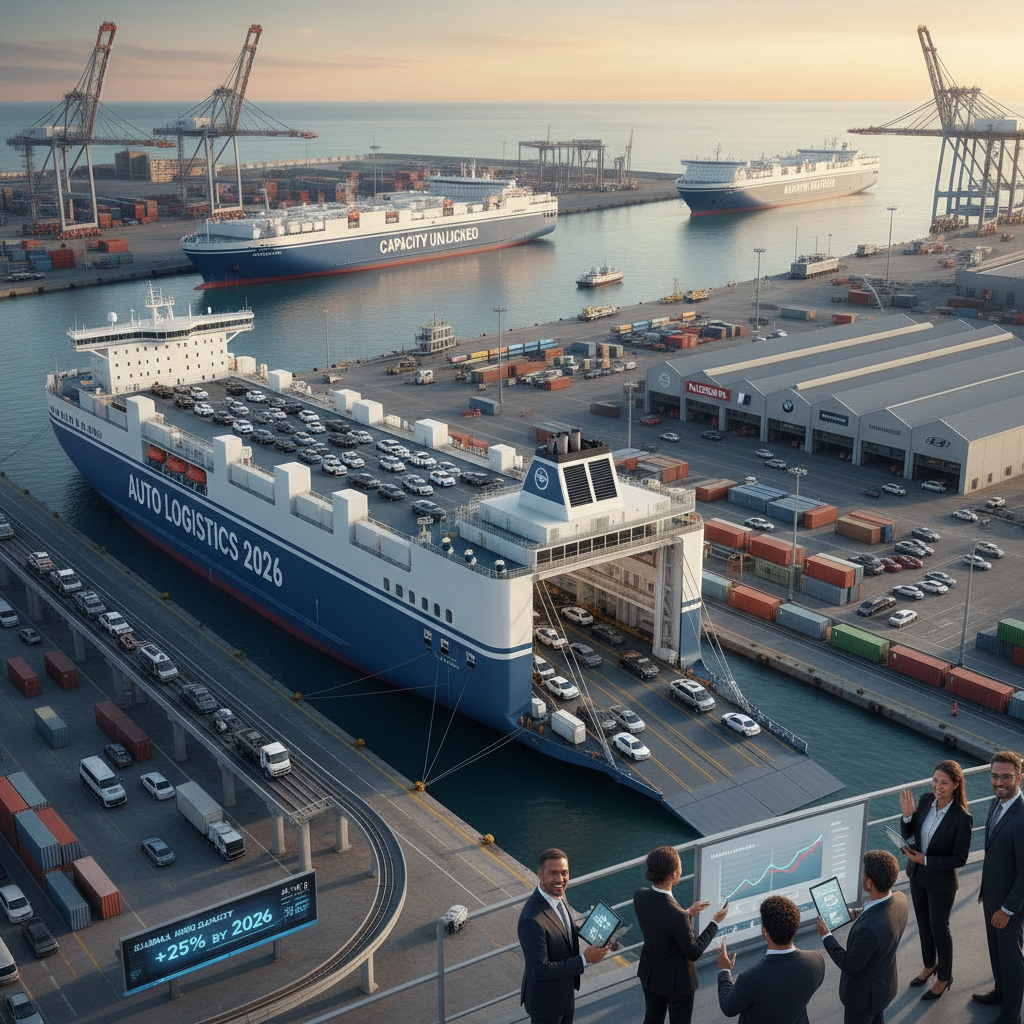
The maritime logistics sector has recently grappled with severe RORO shipping capacity constraints. Driven by surging electric vehicle exports and extended routes due to Red Sea diversions, available space was extremely tight. However, in 2026, the imbalance between cargo demand and vessel availability is experiencing a massive structural shift.
Fleet expansion is currently outpacing cargo demand across the globe. Around 58 new RORO and PCTC vessels are scheduled for delivery in 2026, expanding global capacity by an estimated 5-7%. Conversely, the global finished vehicle trade is only projected to increase by 1-3%. This capacity surplus offers significant relief for auto manufacturers and heavy machinery exporters who previously faced skyrocketing charter rates and terminal delays.
While macro-level shortages are dissolving, segment-specific RORO shipping capacity constraints persist. Market dynamics are heavily influenced by vessel size and environmental compliance:
- Mega-Vessels: New-build PCTCs now boast capacities exceeding 9,000 Car Equivalent Units (CEU), which is 20-30% higher than legacy tonnage.
- Regional Shortages: A reported 26% decline in new orders for mid-size vessels restricts fleet expansion for regional and short-sea transport routes.
- Decarbonization: Impending regulations are accelerating the retirement of older ships, driving a rapid transition to dual-fuel and LNG-powered variants.
The easing of global RORO shipping capacity constraints provides a crucial window to renegotiate supply chain contracts. With 80% of 2026 capacity already secured under long-term deals, falling spot rates make temporary capacity additions highly affordable for adaptable shippers.
References
- Market Reports World – RORO Shipping Market Size & Share
- The 2026 RORO Market: Why Fleet Expansion Creates Opportunity for Vehicle Exporters
- Year 2025 and Important Moments in the Shipping Container Industry