

How Are AI & Tariffs Reshaping US-Japan Semiconductor Logistics?
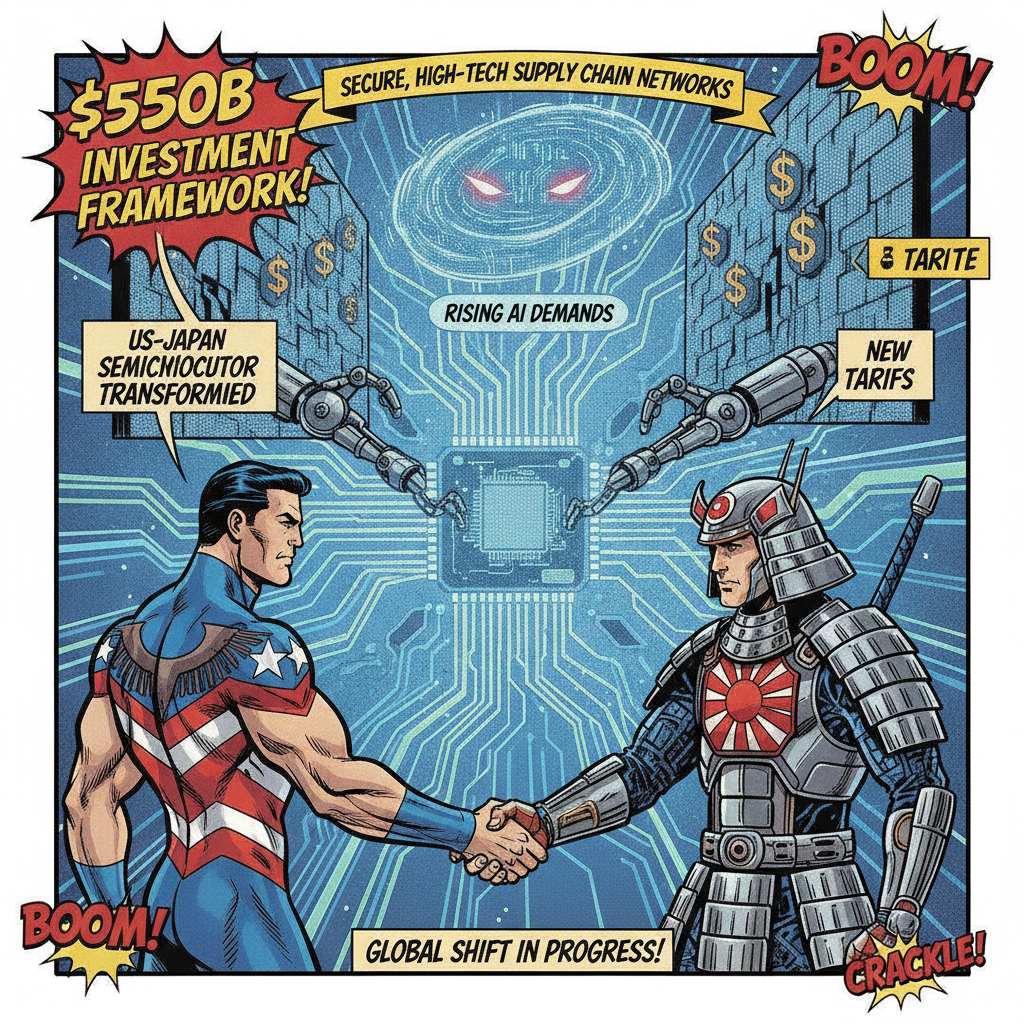
The strategic realignment of US-Japan Semiconductor Logistics is accelerating in 2026, driven by a landmark $550 billion bilateral investment framework and the booming artificial intelligence sector. As global supply chains face mounting geopolitical pressures, both nations are doubling down on friendshoring to secure the flow of critical components. Recent reports indicate that Tokyo and Washington are negotiating the construction of a new multi-billion dollar semiconductor fabrication plant, with GlobalFoundries potentially operating the facilities. This shift demands highly specialized logistics networks capable of handling everything from delicate logic chips to massive, precision-engineered manufacturing equipment.
Emerging Supply Chain and Shipping Trends
The movement of semiconductor components requires pristine, climate-controlled environments and rapid transit. Current industry data reveals that while high-value chips heavily rely on air freight, the massive exposure machines and film deposition equipment necessitate specialized sea transport. The current logistics landscape is defined by several critical factors:
- AI-Driven Capacity Constraints: Securing air cargo space from Asia remains highly competitive in 2026 due to surging AI infrastructure demands.
- Advanced Tracking Platforms: Forwarders are increasingly adopting AI-powered transport management platforms to enhance visibility and route efficiency.
- Critical Mineral Security: New agreements have established dedicated supply chain frameworks to ensure the resilient transport of rare earth elements vital to chip production.
The Future of Cross-Border Tech Logistics
Looking ahead, US-Japan Semiconductor Logistics will increasingly depend on deep integration between manufacturers and freight forwarders. The combination of targeted tariffs and massive capital injections is effectively redrawing shipping routes across the Pacific. For logistics and shipping experts, adapting to these stringent compliance and security requirements will be the key to capitalizing on this trans-Pacific semiconductor renaissance.
References
- ScanX / Reports. $550 billion in investment shifts to chips: U.S.-Japan talks on building new semiconductor fabs. September 2026.
- Converge. Friendshoring Between the U.S. and Japan: Strengthening the Semiconductor Supply Chain.
- Logistics DAO. Learning the Basics of Semiconductor Logistics. August 2026.
- Industry Reports. What the New U.S.- Japan Trade Accord Means for Technology. January 2026.
- Global Supply Chains. Critical Minerals Supply Chain Agreement Resets Japan-US Partnership. March 2026.