
For logistics professionals and shipping experts, managing Global Agricultural Export Supply Chains has evolved from routine scheduling to daily crisis mitigation. As of mid-2026, the sector faces unprecedented pressure from converging geopolitical tensions, extreme climate volatility, and severe workforce constraints.
Recent data indicates that traditional routing and processing models are no longer sufficient. Supply chain leaders must navigate three primary disruption vectors this year:
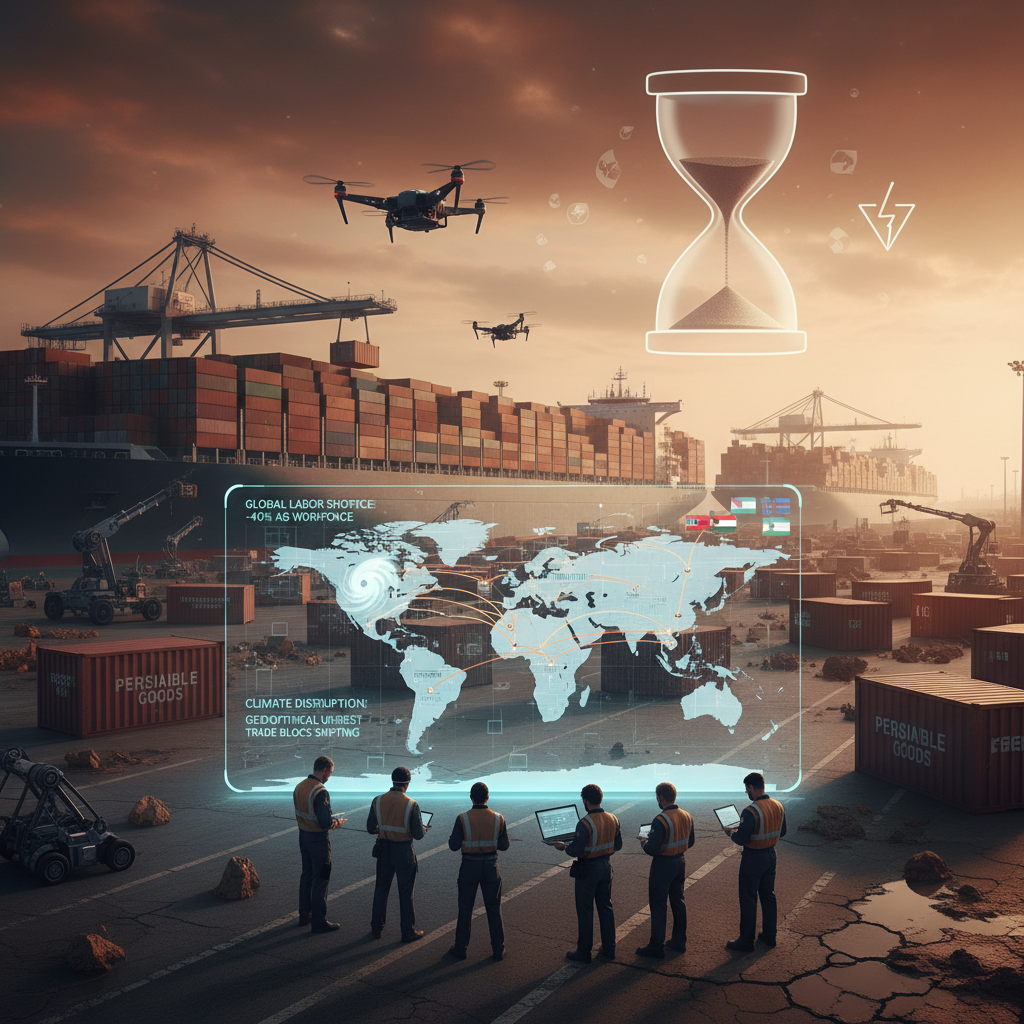
- Severe Workforce Shortages: The most pressing bottleneck in 2026 is labor. Shortages across processing and transport sectors are causing delayed harvests and collapsing delivery schedules, stripping control from operations managers.
- Climate-Driven Port Disruptions: Unpredictable weather events continue to delay international maritime logistics. Experts project that climate-related disruptions could contribute to massive economic impacts, with potential global GDP losses reaching 10-20% by 2050 if warming trends persist.
- Resource Concentration Risks: Geopolitics heavily influences freight flow. With nations like Brazil dominating soy and Russia controlling wheat exports, any localized policy shift or energy spike immediately tightens global vessel capacity and reroutes trade flows.
To stabilize these fragile networks, shipping operators are pivoting towards agile frameworks. The recent integration of digital tracking and predictive analytics is crucial for anticipating delays. Furthermore, as energy and fertilizer supply chain challenges merge, regional collaborations—like those emerging in Southeast Asia—are becoming vital to bypass congested global maritime choke points. Surviving the 2026 landscape demands continuous contingency planning rather than relying on historical freight data.
References
AgriChain: Challenges in Agriculture Supply Chain Management in 2026. Frontiers: Supply chain risks in agri-food systems. Food Navigator: Which countries control global food supply in 2026? Lowy Institute: Southeast Asia food security stress. ISCN Academy: Supply Chains in a World That Refuses to Stabilise.