

Navigating New Logistics Risks
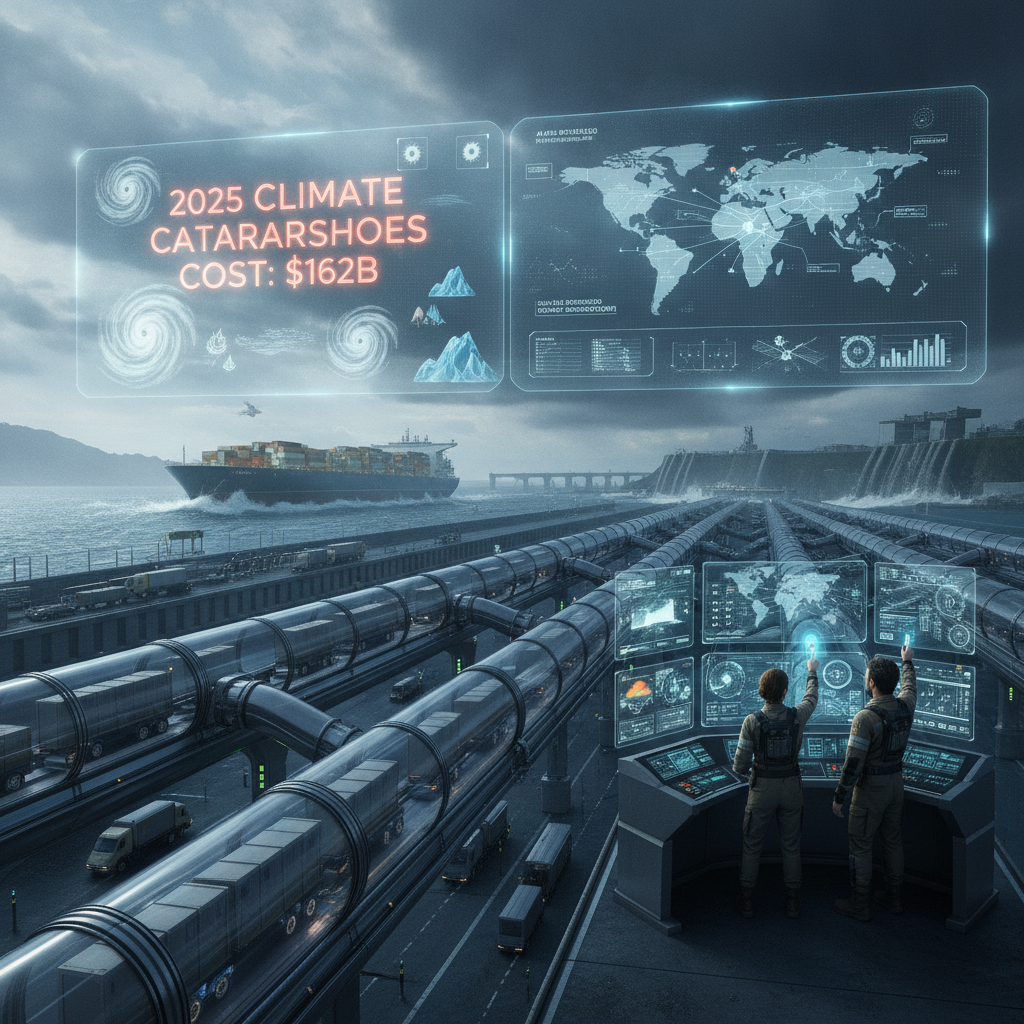
For modern logistics and shipping experts, building Climate-resilient supply chains has transitioned from a sustainability goal to a critical financial imperative. With global economic losses from natural catastrophes surging to $162 billion in the first half of 2025 alone, extreme weather is actively rewriting international trade routes. In 2025, 157 extreme weather events were recorded globally, turning what were once black swan disruptions into regular stress tests for maritime and freight networks.
Why Climate-resilient supply chains Matter Now
The financial stakes for inaction are staggering. Projections indicate that companies failing to adapt could see earnings drop by up to 7% annually by 2035. The cascading effects of floods, heatwaves, and localized infrastructure failures highlight the vulnerabilities of relying on single-geography suppliers. Consequently, logistics leaders are balancing traditional cost-efficiency models with redundancy-focused contingency planning.
Strategies for Climate-resilient supply chains
Industry pioneers are moving beyond reactive measures, embracing proactive risk modeling to future-proof their operations. Key strategies gaining traction in 2026 include:
- Supplier Diversification: Accelerating dual sourcing and nearshoring to mitigate regional climate hazards.
- AI-Driven Risk Modeling: Embedding real-time climate projections and predictive analytics into routing and procurement models.
- Supplier Engagement: Partnering with vendors to ensure tier-N visibility and unified decarbonization efforts across the network.
Future Outlook for Global Logistics
Transitioning toward Climate-resilient supply chains is the definitive competitive advantage for the coming decade. By integrating adaptive infrastructure and AI-enabled visibility, shipping professionals can shield their critical operations from escalating environmental volatility.
References
- FedEx Japan (2026). Building Long-Term Supply Chain Resilience To Climate Risk.
- Citrin Cooperman (2025). Supply Chain Disruptors: The Effects of Climate Change.
- We Mean Business Coalition (2025). Building Resilient Supply Chains.