
Navigating Upstream Warehouse Capacity Constraints in 2026
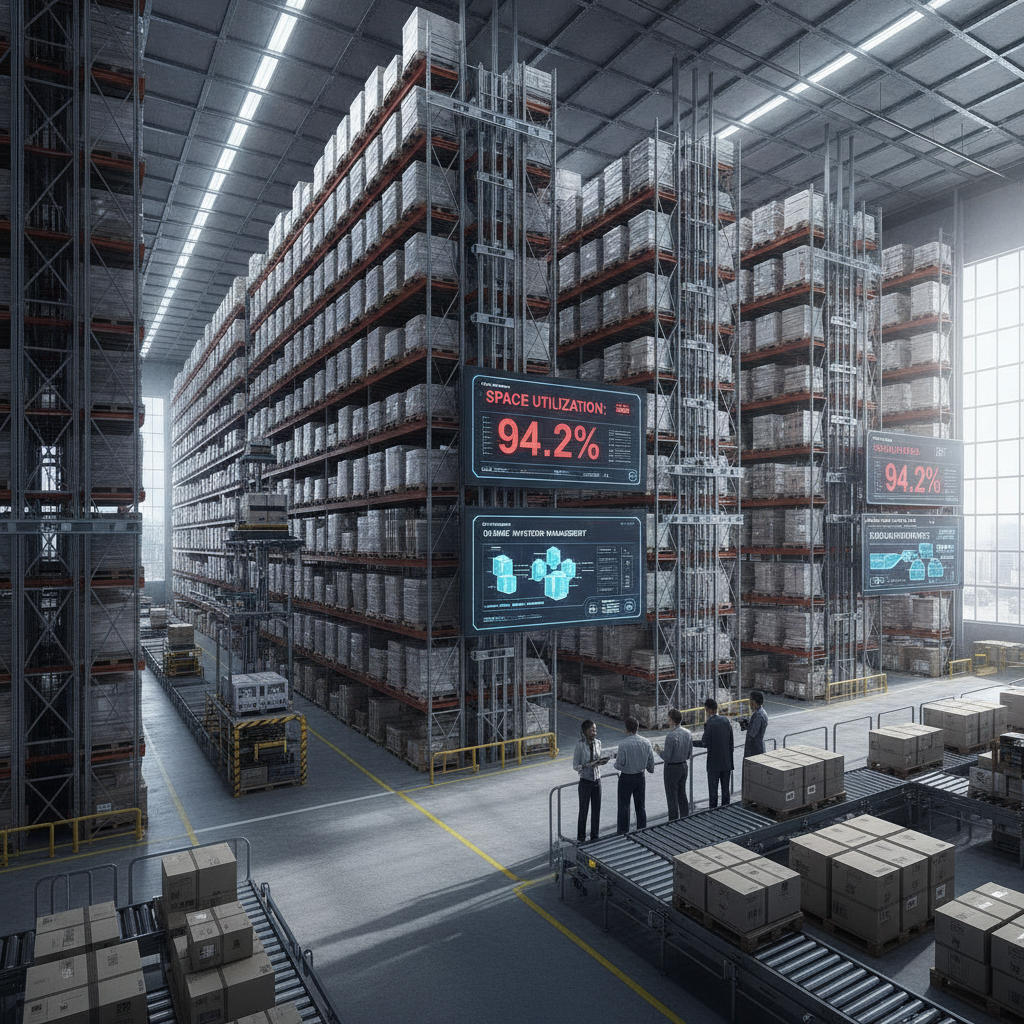
In 2026, logistics professionals are facing unprecedented upstream warehouse capacity constraints. With surging e-commerce fulfillment pressures and massive inventory build-ups, traditional storage networks are stretched to their absolute limits. Recent data highlights the severity of this crunch, noting that warehouse space utilization rates have reached a staggering 94.2% in key metropolitan areas. Furthermore, an industry report revealed that US retailers were holding $740 billion worth of unsold goods, significantly exacerbating space limitations.
Primary Drivers of Upstream Warehouse Capacity Constraints
Modern upstream warehouse capacity constraints are no longer just about storing more pallets; they revolve around managing operational complexity and throughput. According to an MHI survey, 74% of supply chain leaders report that increasing operational complexity is making fulfillment management more difficult, despite heavy automation investments. The critical factors driving these operational bottlenecks include:
- Inventory Overstocking: Front-loading strategies and seasonal stockpiling have turned surplus inventory into a major space liability.
- Evolving Assortments: The shift toward wider product ranges requires denser, more dynamic storage footprints.
- Throughput Ceilings: As demand climbs, operators discover that their physical storage capabilities have hard operational limits.
Strategic Solutions for Space Limitations
To overcome upstream warehouse capacity constraints, forward-thinking operators are shifting from pure automation to scalable flexibility. Automated Storage and Retrieval Systems (AS/RS) are becoming crucial, allowing facilities to save up to 85% of floor space while improving vertical throughput. Mastering these space limitations ultimately requires robust third-party logistics (3PL) partnerships, real-time inventory visibility, and adaptable micro-fulfillment strategies.