
The Ripple Effect of Panama Canal Route Diversions
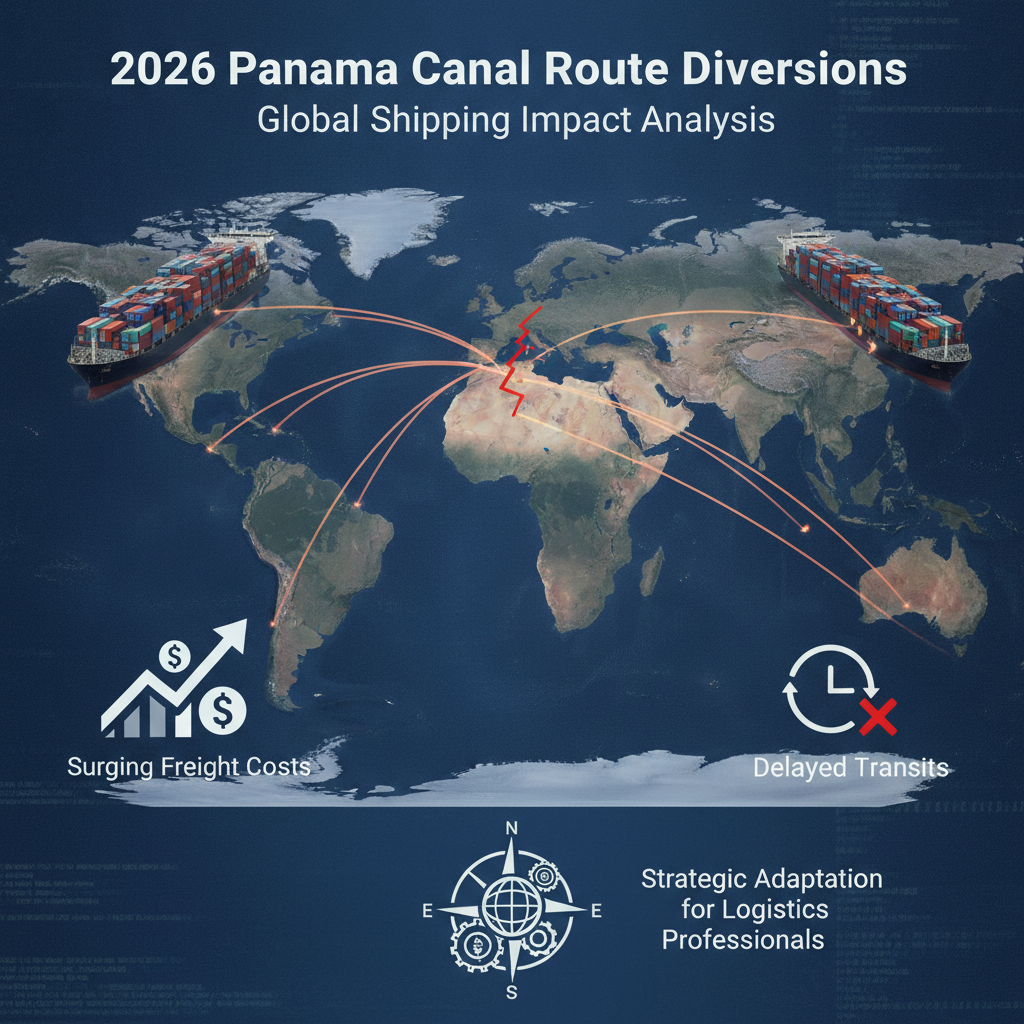
As the shipping industry navigates continuous climate volatility, Panama Canal Route Diversions remain a critical challenge for global supply chains in 2026. Despite a brief capacity rebound in 2025, recurring El Niño-driven droughts have forced the Panama Canal Authority to reinstate phased draft restrictions. By mid-2026, the maximum authorized draft at the Neopanamax locks was reduced to 14.78 meters, squeezing cargo capacity and forcing logistical pivots.
Key Operational and Cost Implications
Logistics professionals must account for substantial operational shifts when managing Panama Canal Route Diversions. Prolonged transit delays and stricter booking limits have fundamentally altered transpacific shipping protocols. According to maritime policy analyses, these diversions have created massive systemic bottlenecks:
- Increased Transit Mileage: Rerouting via the Cape of Good Hope adds roughly 3,200 nautical miles to transpacific voyages.
- Surging Operational Costs: Diversions lift average fuel and operational expenses by approximately 22% while extending lead times by 7 to 10 business days.
- Rising Emissions Fines: Rerouting a large container ship around Africa can incur up to $400,000 in additional emission costs under the EU Emissions Trading System.
Adapting Logistics Strategies for the Future
To mitigate the fallout from unpredictable Panama Canal Route Diversions, freight forwarders and shippers must embrace agile logistics frameworks. Experts recommend early slot booking, optimizing vessel loads for reduced drafts, and integrating intermodal transportation to bypass maritime chokepoints. With climate scientists predicting that drought cycles will continue to recur with severe frequency, these route diversions have transitioned from temporary crisis management to a permanent fixture in global shipping economics.
References
Nautilus Shipping: Panama Canal Draft Restrictions 2026. JCtrans: Avoiding transpacific heavy cargo gate rejections. UNCTAD: Suez and Panama Canal disruptions threaten global trade.