

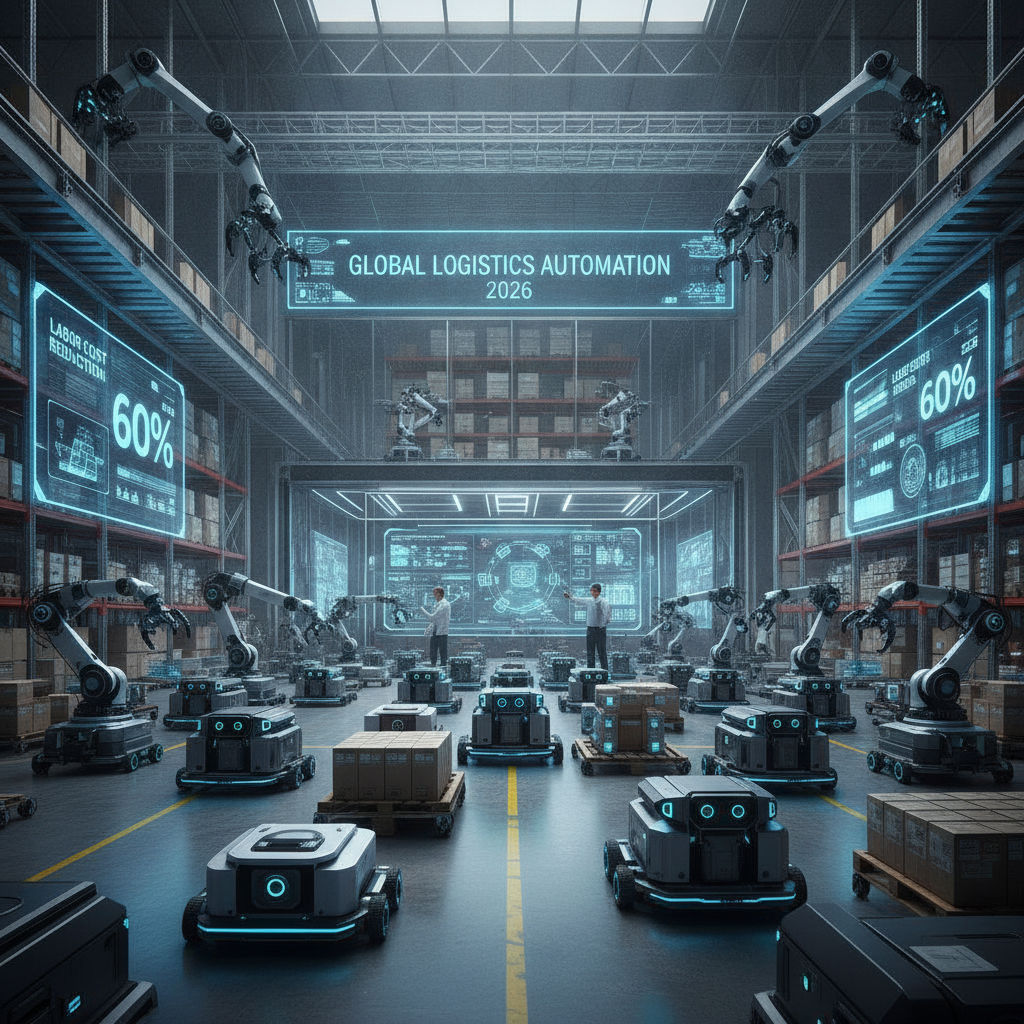
The Strategic Imperative of Warehouse Robotics Automation
The global logistics landscape is undergoing a profound transformation driven by rapid advancements in warehouse robotics automation. Despite 80% of global warehouses remaining largely manual, the automation market is experiencing explosive growth, projected to expand from USD 29.91 billion in 2025 to USD 63.36 billion by 2030 at a 16.2% CAGR. For logistics and shipping experts, deploying these technologies is no longer optional—it is a critical requirement to combat severe labor shortages and surging e-commerce demands. Facilities integrating Autonomous Mobile Robots (AMRs) and AI-driven sorting systems are reporting a 25-30% reduction in labor costs and order fulfillment speeds up to three times faster than traditional methods.
Key Automation Trends Shaping 2026
The modern approach to warehouse robotics automation has shifted from rigid, fixed infrastructure to highly flexible, modular solutions. Industry leaders are prioritizing dynamic scalability to handle unpredictable market fluctuations. Key technological trends driving this shift include:
- Autonomous Mobile Robots (AMRs): Requiring minimal fixed infrastructure, AMRs enable rapid deployment and seamless integration alongside human workers, enhancing transport efficiency across aisles.
- Agentic AI and Predictive Maintenance: Artificial intelligence has evolved from predictive analytics to autonomous task orchestration, allowing software to make real-time fulfillment decisions without human intervention.
- Robotics-as-a-Service (RaaS): This flexible financial model allows logistics hubs to scale robotic capacity during peak seasons without the massive upfront capital of permanent installations.
The Future of Fulfillment Efficiency
As consumer expectations for rapid delivery continue to tighten, the competitive gap between automated and manual supply chains is widening. Successful implementation of warehouse robotics automation in 2026 relies heavily on robust integration; hardware is only as effective as the underlying Warehouse Management System (WMS) orchestrating it. Logistics executives must prioritize interoperability and data-driven infrastructure to ensure their automated fleets deliver tangible ROI and maintain delivery promises.
References
- Cart.com: Warehouse automation trends to watch in 2026
- SCI.AI: Warehouse Robotics Automation: How AI Efficiency is Reshaping Global Logistics Supply Chains in 2026
- Manhattan Associates: Navigating the Future of Warehouse Robotics & Automation
- arculus Blog: 6 Warehouse Trends in 2026
- Exotec: Top Warehouse Trends for 2026: Future of Automation