

The Rise of ASEAN Multi-Shoring Logistics
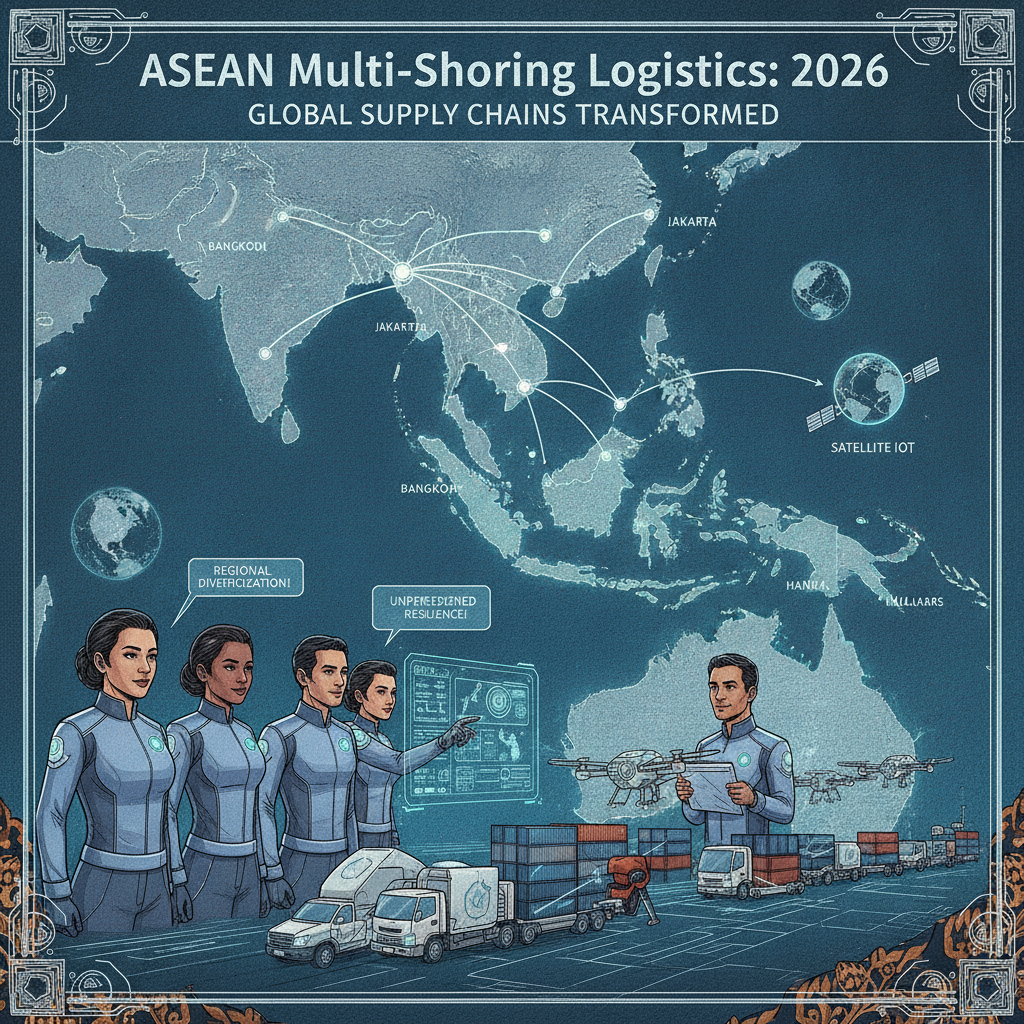
Geopolitical tensions and trade tariffs have exposed vulnerabilities in traditional single-base supply chains. In response, multinational corporations are rapidly accelerating ASEAN Multi-Shoring Logistics to diversify manufacturing risk across Southeast Asia. By 2026, the region has transitioned from a simple production alternative into a sophisticated, interconnected resilience hub. For instance, a single product might now feature components produced in Malaysia, assembled in Vietnam, and distributed through advanced logistics facilities in Thailand.
Key Drivers in ASEAN Multi-Shoring Logistics
Several critical factors are accelerating this regional diversification and fundamentally reshaping supply chain operations. Logistics providers and enterprise shippers are prioritizing these strategies to maintain agility:
- Digital Infrastructure: Third-party logistics (3PL) market penetration for SMEs reached 52% in 2025, heavily driven by automated fulfillment demands and rolling contracts.
- Rural Connectivity: Low-Earth-Orbit (LEO) satellite IoT is now deployed in rural warehouses across Indonesia and the Philippines, curbing inventory shrinkage by up to 18% through real-time monitoring.
- Artificial Intelligence: AI acts as the foundational operating system to predict logistics constraints, forecast demand, and optimize supplier mixes across the digital economy.
The Future of ASEAN Multi-Shoring Logistics
As we progress through 2026, sustainability and compliance are becoming core competitiveness drivers for regional logistics firms. Green financing and carbon tax structures, particularly in Singapore, are attracting multinationals seeking clean supply corridors. With the integration of regional frameworks and broader free trade agreements, cross-border flows will face drastically reduced tariff friction. Ultimately, this strategic multi-shoring framework ensures sustainable economic growth despite unprecedented global disruptions.
References
Logistics Manager: Whitepaper highlights multi-shoring strategies for resilient supply chains
ASEAN.org: Framework on ASEAN Supply Chain Efficiency and Resilience
Source of Asia: ASEAN’s Role in Global Supply Chain Rebalancing (New 2026)
Mordor Intelligence: ASEAN Warehousing and Distribution Logistics Market Size 2031
D&B Global Business Supply Chain Continuity Index: Global Supply Chains in 2026