
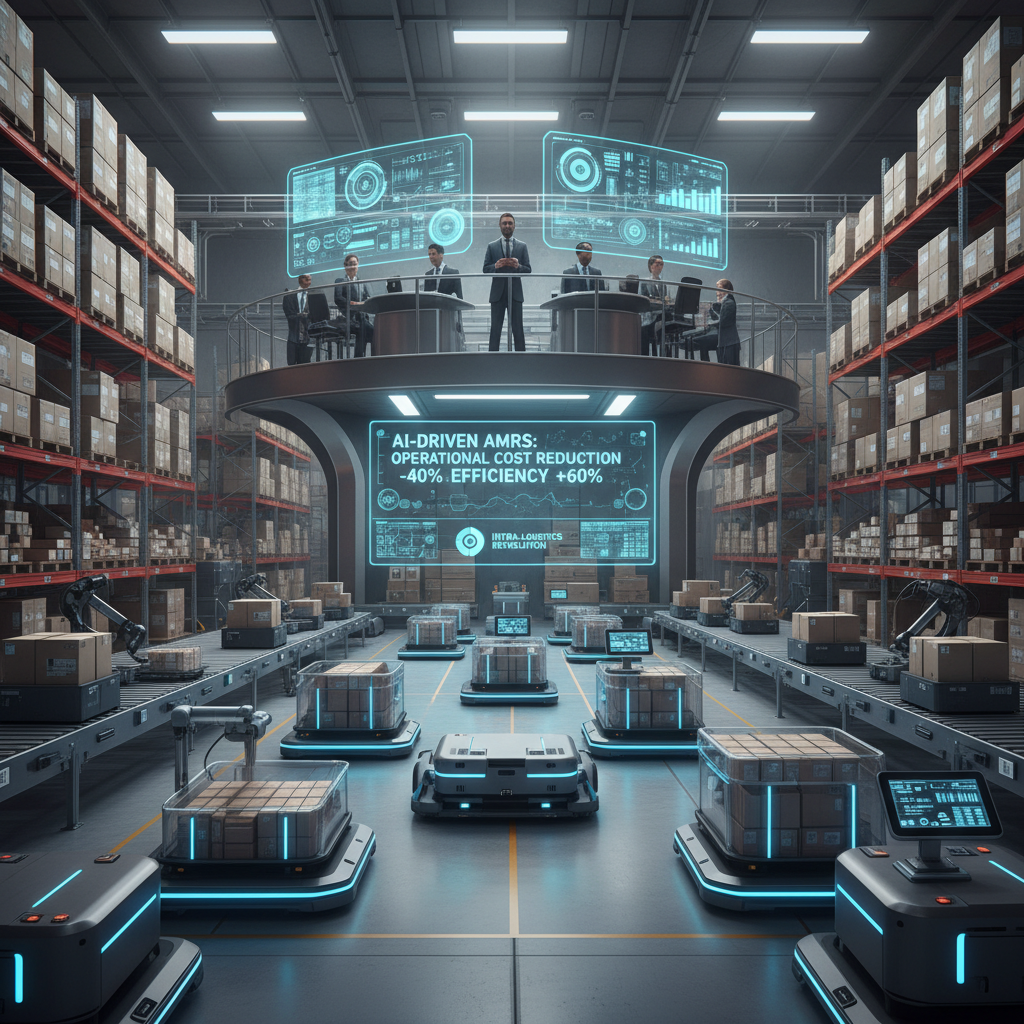
The global landscape of supply chain management is undergoing a massive transformation, driven largely by the integration of Intralogistics mobile robotics. The global market size for these autonomous solutions was valued at approximately USD 4.85 billion in 2025 and is projected to expand at a CAGR of over 21% through the decade. This explosive surge is primarily fueled by escalating e-commerce demands, acute labor shortages, and the accelerating shift toward smart factories under Industry 4.0 paradigms.
A significant trend defining Intralogistics mobile robotics today is the rapid transition from Automated Guided Vehicles (AGVs) to Autonomous Mobile Robots (AMRs). While traditional AGVs rely heavily on fixed magnetic tracks, modern AMRs leverage onboard sensors, LiDAR, and AI-driven SLAM navigation. This enables unparalleled flexibility in fast-paced logistics environments.
- Infrastructure Independence: AMRs operate dynamically, adapting to changing warehouse layouts without costly structural modifications.
- Continuous Operation: These advanced systems can function 24/7, driving operational costs down by an estimated 20-30% annually.
- Enhanced Safety: Real-time obstacle detection minimizes workplace accidents and ensures safer human-robot collaboration.
Integrating goods-to-person mobile robots represents the leading strategy for enhancing operational efficiency. By leveraging AI and IoT connectivity, modern Intralogistics mobile robotics enable real-time data analytics, predictive maintenance, and deep supply chain visibility. As organizations prioritize reducing manual material handling injuries, the adoption of these versatile robotic solutions will dictate the future of competitive logistics.
References
Intel Market Research: https://www.intelmarketresearch.com
IDTechEx: https://www.idtechex.com
Market Research Future: https://www.marketresearchfuture.com