

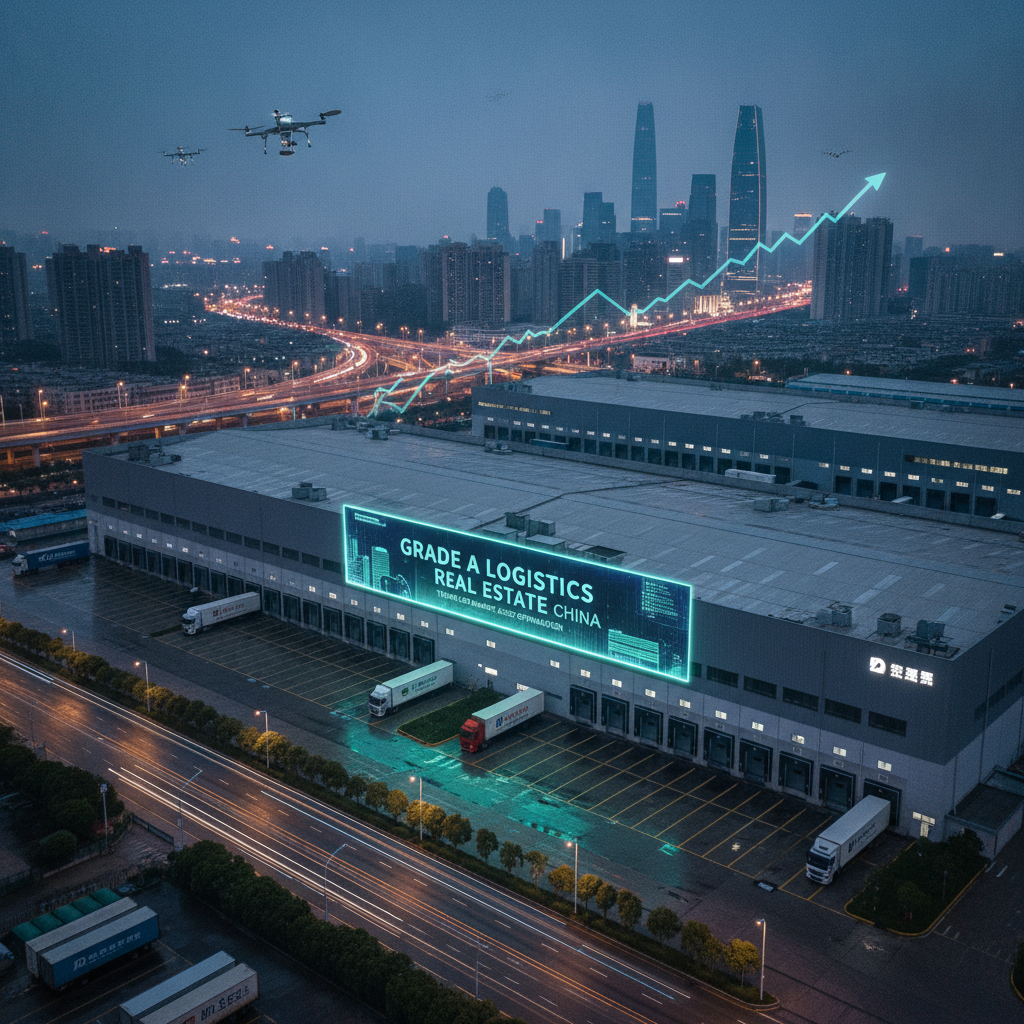
The landscape for Grade A Logistics Real Estate China has officially entered a highly competitive, tenant-led adjustment phase. Moving away from rapid expansion, developers are increasingly prioritizing the optimization of existing assets and operational quality. Despite shifting macroeconomic winds, well-located premium facilities remain the backbone of modern supply chains, supported by sustained growth in advanced manufacturing and e-commerce.
Recent data indicates a complex supply and demand dynamic. A substantial influx of new supply placed upward pressure on national vacancy rates, pushing them to approximately 26.5% by late 2025. To maintain stability, many landlords adopted a strategic price-for-volume approach, adjusting rental expectations to secure occupancy. Consequently, select portfolios saw their average occupancy rate increase to 80.0%.
Several catalysts are mitigating supply pressures and sustaining demand. Rapid growth in instant retail is reshaping warehouse networks, increasing the need for suburban facilities with shorter delivery chains. Furthermore, specialized requirements, such as reverse e-commerce processing centers, demand higher-specification spaces.
On the investment front, the sector continues to attract institutional interest, facilitated by the expansion of logistics REITs. Market capitalization rates hovered around 5.2% in late 2025, indicating resilient investment appetite despite near-term leasing challenges. Capital is expected to persistently flow into premium, operationally efficient facilities.
References
- Savills Japan: China Logistics 2026 Report
- CapitaLand China Trust: Independent Market Research 2025
- Mapletree Logistics Trust: JLL IMR 2026
- Savills: Chinese Real Estate Market Outlook