

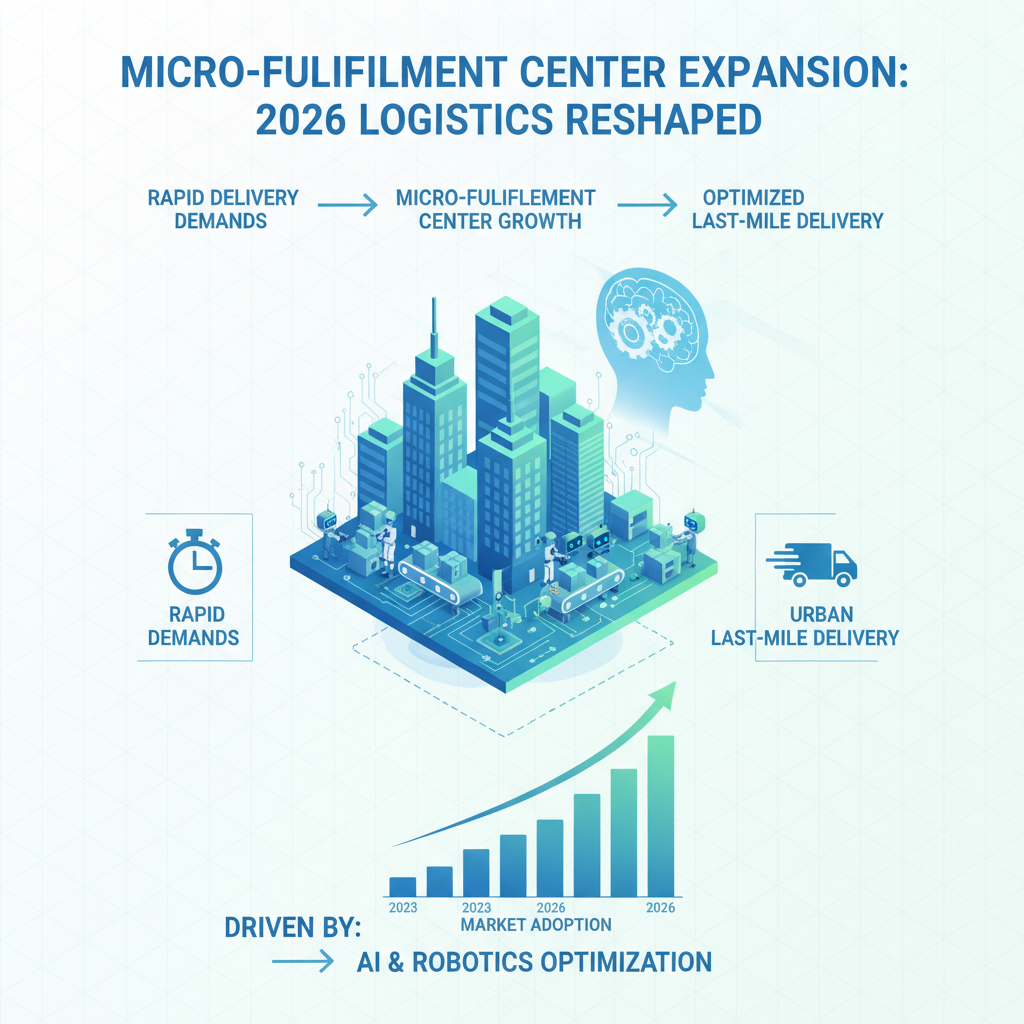
The logistics landscape is rapidly transforming, and Micro-Fulfillment Center Expansion is at the forefront of this shift. Driven by soaring e-commerce demands and the need for ultra-fast delivery, the micro-fulfillment market size reached approximately $9.12 billion in 2025. Industry experts forecast this sector could skyrocket at a staggering CAGR of over 33% through 2035.
Retail giants and localized grocery chains are heavily investing in urban logistics to reduce last-mile delivery times. This aggressive Micro-Fulfillment Center Expansion is fueled by several critical factors:
- Automation Integration: Advanced robotics and AI reduce labor costs by 25-30% while drastically improving pick rates.
- Quick Commerce Growth: Rapid delivery expectations, like the booming Q-commerce sector in emerging markets, demand localized inventory hubs.
- Space Optimization: Utilizing existing retail backrooms allows companies like Amazon and Walmart to efficiently convert idle space into high-tech hubs.
Despite the immense benefits, scaling these operations presents financial hurdles. Initial setup costs for a micro-fulfillment center can be 30-40% higher than traditional warehouses. However, long-term ROI is achieved through minimized last-mile transportation expenses and elevated customer satisfaction. As 2026 unfolds, companies failing to embrace Micro-Fulfillment Center Expansion risk losing their competitive edge in a fast-paced retail ecosystem.
References
Micro Fulfillment Market Size, Share, Trends Report 2026
Precedence Research: Micro Fulfillment Market Size to Hit USD 152.73 Billion by 2035
Global Dark Stores & Micro-Fulfillment Centers Market Report 2026-2034
Productiv: Fulfillment Technology in 2026
Micro-Fulfillment Center Automation Market: Global Industry Analysis 2036
Bain & Company: How India Shops Online 2026